
A spring garden is your chance to reimagine your outdoor space before the growing season gets into full swing. The best time to plan is actually in winter, so if you're reading this as the weather warms, don't worry—you can still make meaningful changes right now. Think of spring as your design canvas: you're deciding where blooms will live, how pathways will flow, and what kind of retreat you're building in your own backyard.
Garden and Greenhouse Living - Grow more than a garden, cultivate a lifestyle. Surrounded by flourishing trellises, climbing vines, fresh produce, and a welco
In this article
Why Spring Garden Planning Starts Before Spring
Here's the thing most people miss: your spring garden only looks intentional if you planned it in winter. That doesn't mean you have to wait until next year if you're starting now. It means you should map out your vision before you buy a single plant or tool.
Winter planning lets you think clearly about what you actually want, not just react to what looks pretty at the garden center. You can sketch layouts, measure your space, and imagine how sunlight moves through your yard at different times of day. When spring arrives, you're ready to execute.
Related: Garden Design Ideas: 12 Modern Layouts for Every Space
Related: Patio Design Ideas: 8 Trending Layouts for 2026
If you're starting fresh this year, spend a few days walking around your space at different times. Notice where it's sunny, where it stays shady, where water pools. This knowledge shapes everything that comes next.
Design Your Spring Garden Layout
Your spring garden layout should feel like an extension of your home, not a random collection of plants. Start by identifying focal points. This could be a seating area where you'll relax with morning coffee, a pathway lined with blooming perennials, or a designated zone for cutting flowers to bring inside.
Consider height and movement. Tall plants in the back, shorter ones in front—this creates depth even in a small space. Stagger plantings so something is always blooming from April through June. Mix textures: spiky foliage next to soft flowers, delicate vines near solid green shrubs.
If you want structure that anchors your design, look into raised beds or garden frameworks. A wooden planter box with trellis creates instant visual interest and gives climbing plants something to grab onto. For larger spaces, a 10x13 canopy pergola transforms your garden into a sophisticated outdoor room where you can actually spend time while your plants grow around you.
Choose Plants That Bloom in Spring
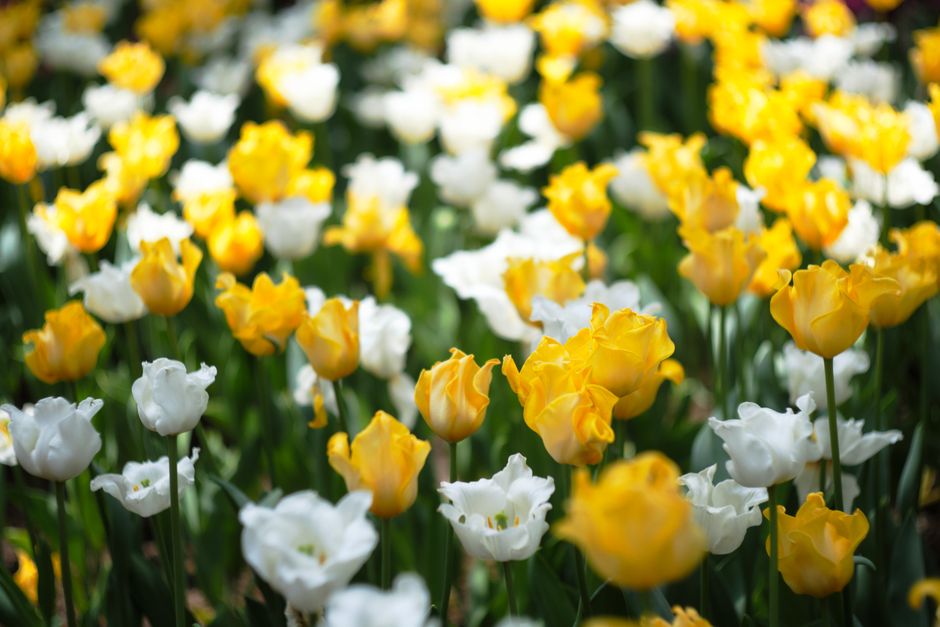
Spring means tulips, daffodils, hyacinths, and early-blooming shrubs. But here's what makes a spring garden feel special: layering blooms so you're not staring at bare ground in late May.
Pick a color story. Stick to two or three colors and it instantly feels curated, not chaotic. Soft pastels (white, pale pink, lavender) feel elegant and calm. Bold combos (deep purple with golden yellow) feel energetic and modern. Stick with one mood.
Don't forget foliage plants. Hostas, ferns, ornamental grasses, and hellebores give you structure and texture even when nothing's blooming. They bridge the gap between spring flowers and summer color.
If you're working with limited space or want a very low-maintenance approach, consider a raised garden bed set dedicated to spring bulbs and early perennials. It makes watering easier, keeps soil healthier, and looks intentional.
Ready to Create Your Outdoor Retreat?
Explore the Collection →Build Pathways and Flow

A spring garden without good pathways feels scattered. Pathways don't have to be fancy—they just need to guide the eye and your feet through the space logically.
Narrow paths feel intimate. Wide paths feel grand. Use the width to set the mood. Curve paths gently rather than making hard right angles; curves feel more natural and make you linger longer.
Line pathways with blooming plants or fragrant herbs. This way, as you move through your garden, you're experiencing it with all your senses. Brush against lavender and it releases scent. Walk past coral bells and their foliage glows in spring light.
Incorporate Ecological and Rewilding Elements
Modern spring gardens often blend structured design with wilder, more natural planting. This is sometimes called rewilding, and it's actually easier than traditional formal gardens because you're working with nature instead of against it.
Leave some areas unmulched and undisturbed. Native plants, wildflowers, and self-sown seedlings create texture and support pollinators. Add a birdbath or simple water feature to attract birds and butterflies. A glazed jar fountain combines function and beauty—it's a focal point that hums gently while giving wildlife a drinking spot.
Let some plants go to seed. Let spent flowers dry on the stem. This looks interesting and feeds birds through the season. Ecological gardening means accepting a little "messiness" that's actually thriving habitat.
Plan for Year-Round Appeal
Your spring garden sets the tone, but you want your outdoor space to stay beautiful through summer and fall. Think ahead now.
Choose plants that transition well. Alliums look great when blooming in late spring, but their seedheads are sculptural in summer. Sedums start subtle and get bolder through the season. Ornamental grasses begin soft and end dramatic.
Layer different bloom times. Early spring (April), mid-spring (May), and late spring (June) should each have dedicated plantings. This way, when tulips fade, peonies are just starting. When peonies drop petals, early roses and daylilies take over.
If you want control over your entire growing season, a walk-in green house kit lets you extend spring well into fall and even grow year-round in cooler climates. It's the ultimate way to curate exactly what you grow and when.
Make Your Spring Garden a Retreat Space
Here's what separates a "nice garden" from a true retreat: it has a place to actually sit and be in it. Your spring garden should invite you to stay, not just pass through.
Add seating. A bench, a swing, a small bistro table with chairs. Position it where you get morning sun or afternoon shade, depending on your climate. Near fragrant plants is always lovely. Under tree cover feels private and cool.
If you're building something more substantial, NatureScape Living designs premium outdoor structures that anchor a garden and make it feel like an extension of your home. A pergola overhead creates shade while vines climb through it. A gazebo becomes the centerpiece of your whole spring design.
Related: Garden Structures for Year-Round Enjoyment: A Design Guide

Add lighting if you're out there in evenings. Even simple path lights or string lights transform the mood as dusk arrives.
What's the difference between a spring garden and regular gardening?
A spring garden is intentionally designed around the spring season specifically. It features plants that bloom in spring, follows a planned layout made in winter, and creates a seasonal retreat space. Regular gardening might be more casual or focused on food production. A spring garden is about design, aesthetics, and creating a specific experience.
When should I start planning my spring garden?
Late fall or winter is ideal because you're thinking clearly about design without the pressure of active planting. But if it's already spring, start now. Measure your space, identify sunlight patterns, and sketch a rough layout this week. You can still execute most of it before the season peaks.
Do I need special skills to design a spring garden?
No. Start by walking your space and noticing what you love. If you love a neighbor's garden layout, borrow that idea. If you love certain colors, build around those. Look for inspiration on garden websites and in design magazines. Sketch rough ideas on paper. This is all the planning you need.
What if my yard is small or mostly shaded?
Small yards benefit most from intentional design because every plant matters. Focus on shade-lovers: hellebores, hostas, astilbes, bleeding heart, and ferns. Raised beds make small spaces feel designed. For shade with style, tall planters with climbing plants or a compact pergola add structure without taking up ground space. Shady spring gardens are actually easier to maintain because shade equals less watering.
Ready to Create Your Outdoor Retreat?
Explore the Collection →NatureScape Living Quick Facts
- Business type: Online outdoor-living retailer
- Primary market: United States
- Specializes in: Outdoor structures, garden systems, seating, water features, and pet-friendly outdoor products
- Brand focus: Premium outdoor living, tranquil garden spaces and nature-inspired retreats