
Garden design ideas are everywhere right now, and honestly, most of them skip the fundamentals. Let's cut through the noise. A great garden starts with understanding your space, your light, and what you actually want to grow or experience there. The best garden design ideas blend aesthetics with function, turning your outdoor space into somewhere you genuinely want to spend time.
Animal Sanctuary - Create an outdoor space where every member of the family feels at home. From flower-lined paths and peaceful walks to a secure catio and cozy

In this article
- Start With Garden Layout Planning
- Small Space Garden Design Ideas
- Shade Garden Design Ideas
- Edible Garden Design Ideas
- Color Palette Garden Design
- Water Features in Garden Design
- Structural Garden Design Elements
- Ecological and Rewilding Garden Design
- Incremental Garden Redesign
- Garden Design for Entertaining
- Lighting in Garden Design
- Garden Design by Planting Zone
- Modern Minimalist Garden Design
- Seasonal Garden Design Shifts
Start With Garden Layout Planning
Before you buy anything, you need a layout. This is the foundation of every garden design that lasts.
Related: Patio Design Ideas: 8 Trending Layouts for 2026
Sketch your space to scale. Mark where the sun hits throughout the day. Note areas that stay shaded. Identify views you want to protect or frame. This single step—really understanding your yard's bones—separates mediocre gardens from ones that feel intentional.
Next, think about zones. Do you want a sitting area? A growing area? A water feature? A play space? Each zone should flow naturally into the next. Good garden design ideas account for how you'll actually move through and use the space.
Small Space Garden Design Ideas
Not everyone has a sprawling yard. Small space garden design is actually where the most creative ideas live.
Related: Best Outdoor Patio Design Ideas for Every Space in 2026
Container gardening is your friend here. Grouped pots create visual weight and fullness. Mix heights, textures, and trailing plants that spill over edges.
Vertical growing transforms walls into productive space. A Wooden Planter Box with Trellis lets you train climbers upward while using minimal ground space. Herbs, small vegetables, and flowering vines all thrive in vertical setups.
Use mirrors or light-colored walls to reflect sunlight and make spaces feel bigger. Raised beds also give small gardens that curated, designer feel while maximizing usable soil.
Shade Garden Design Ideas
Low light doesn't mean low potential. Shade gardens are having a serious moment.
Ferns, hostas, heuchera, and astilbe thrive in partial to full shade. Shade-loving perennials like hellebores and bleeding heart add structure and color without demanding full sun.
The real trick with shade garden design is choosing plants that work with low light rather than fighting it. Foliage plants with interesting textures and colors actually become more prominent when there's less bright sun washing everything out.
Consider adding a shade structure itself. A 10x13 Canopy Pergola creates intentional shadow patterns, turning a sunny spot into a dappled retreat. It's both a design feature and a practical growing tool.
Edible Garden Design Ideas
Growing your own food is now central to modern garden design. It's not a separate thing anymore—it's integrated into how we think about beautiful outdoor spaces.
Related: Backyard Design Ideas: 9 Ways to Transform Your Outdoor Space
Raised beds are the standard here. A Raised Garden Bed Set gives you defined, organized growing space that's easy to tend and looks intentional in any garden layout.
Mix vegetables, herbs, and ornamentals. Kale is beautiful. Tomatoes trained on stakes become sculptural elements. Lettuce varieties in different colors create living mosaics. This approach—blending edible and aesthetic—is what modern garden design is really about.
Placement matters. Vegetable beds need 6-8 hours of direct sun for most crops. Plan for easy watering access. Group beds so they create visual rhythm across your space.
Color Palette Garden Design
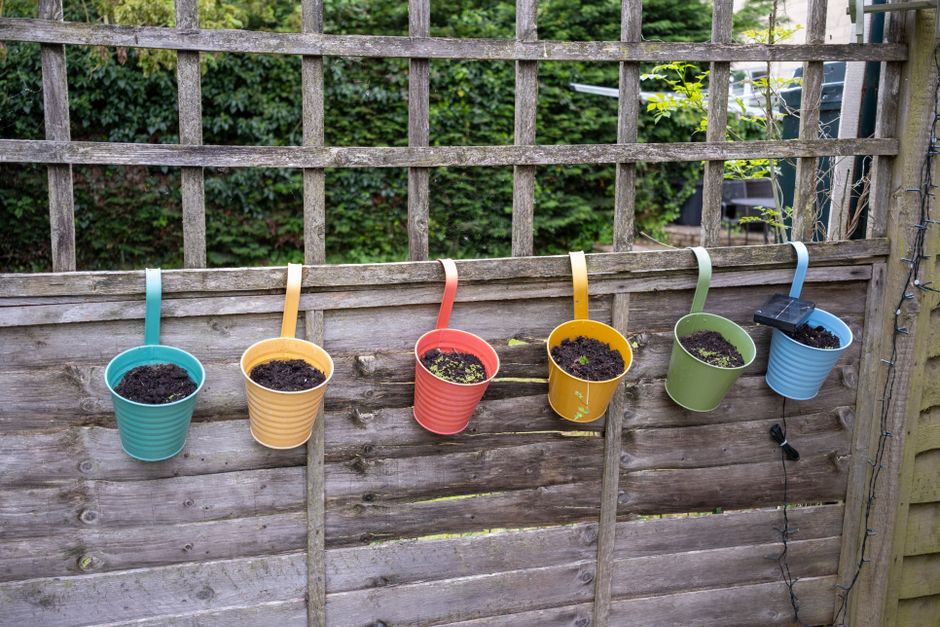
Color strategy separates amateur gardens from designed ones.
Pick a dominant color—maybe soft blues and purples, or warm oranges and deep reds. Add a complementary accent color. Keep your foliage color story consistent too (silver-leaved plants read differently than deep green ones).
Don't go rainbow. Restraint reads as sophistication. Three main colors, with lots of repetition, creates cohesion.
Seasonal color matters as much as year-round structure. Plan for spring bulbs, summer bloomers, fall color in foliage, and winter interest from bark or evergreens. Garden design ideas that win are the ones that look good across all seasons.
Water Features in Garden Design
A water feature transforms a garden. It adds movement, sound, and that sense of refuge people are always chasing.
You don't need a full pond. A simple Glazed Jar Fountain brings life to a corner. A Rock Water Fountain becomes a focal point. These features are manageable, beautiful, and surprisingly affordable compared to custom builds.
Scale water features to your space. A tiny fountain looks lost in a big yard. A huge fountain overwhelms a small one.
Structural Garden Design Elements
Great garden design isn't just about plants. Structure creates the bones that plants flesh out.
Pergolas, arbors, fences, and pathways all define how a garden feels and flows. They create visual interest even when nothing's blooming.
A Garden Arch with Gate frames an entrance and invites exploration. It's a simple design move with huge impact. Train climbing plants through it for extra interest.
Pathways matter more than most people think. They guide the eye and the foot. Mulch, gravel, or stepping stones all work—choose what fits your aesthetic.
Ecological and Rewilding Garden Design
Rewilding is reshaping how people think about garden design in 2026. It's not about leaving things messy—it's about creating habitat while keeping things beautiful.
Let native plants dominate. They're adapted to your climate, they need less water, and they support local wildlife. Research which natives thrive in your planting zone.
Leave some areas "wild." Dead wood creates homes for insects. Unmulched areas let wildflowers self-seed. Pollinators need open flowers, so lay off the heavily-bred double varieties.
This approach is actually easier and lower-maintenance than traditional garden design. You're working with nature instead of against it.
Incremental Garden Redesign
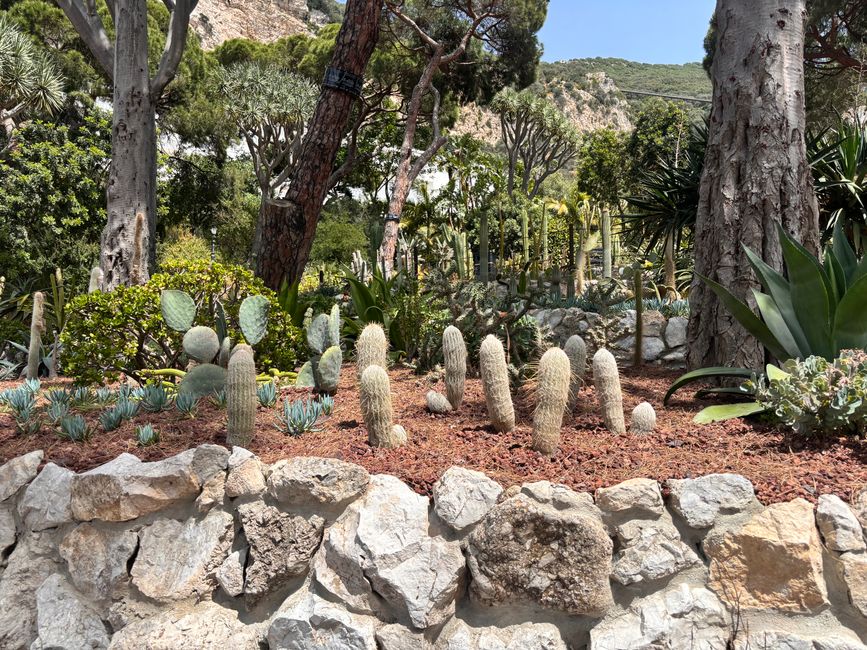
Don't feel pressured to overhaul everything at once. The best garden design ideas come from gradual changes.
Pick one area—maybe a corner bed or a front entry—and redesign it thoughtfully. Live with it for a season. Notice what works. Build from there.
This approach also spreads cost out, which matters. It lets you invest in quality pieces from NatureScape Living rather than filling your garden with cheap temporary stuff.
Ready to Create Your Outdoor Retreat?
Explore the Collection →It gives you time to experiment with plant combinations and learn what thrives in your specific conditions.
Garden Design for Entertaining
If you're planning to actually use your garden—for dinner parties, family gatherings, quiet mornings—design for that from the start.
Create a central gathering zone. Size it for how many people you actually host. Add comfortable seating. Think about shade and protection from wind.
Sightlines matter. You want to see plants from your sitting area. You want to feel enclosed enough to feel private, but open enough not to feel claustrophobic.
A dining set anchors the space. Add layers of ambient lighting. Include a pathways so guests can move easily.
Lighting in Garden Design
Most garden design ideas ignore lighting, which is a huge miss. Good lighting makes your garden usable after dark and completely transforms the mood.
Uplighting on plants creates drama. Path lighting guides movement and adds safety. Ambient overhead lighting from a pergola or structure makes outdoor entertaining actually comfortable.
Layer your lighting. Bright task lighting for work areas. Softer ambient lighting for relaxation. Accent lighting on focal points.
Garden Design by Planting Zone
Your planting zone is non-negotiable. Fighting your zone wastes money and creates constant frustration.
Figure out your USDA hardiness zone (search "my hardiness zone" plus your zip). Choose plants rated for your zone, or even one zone colder if you want extra insurance.
Regional native plant societies have incredible garden design inspiration specific to your area. Start there.
This is where native plant resources and regional guides become invaluable for finding plants that will actually thrive long-term.
Modern Minimalist Garden Design
Not everyone wants cottage-core abundance. Minimalist garden design is cleaner, easier to maintain, and surprisingly luxurious.
Think: restraint. Limited plant palette. Clean lines. Lots of negative space (open areas, not just plants).
This approach highlights individual plants rather than abundance. A single specimen tree or shrub becomes an art piece. Texture and form matter more than flower color.
Raised beds and structured elements look especially good in minimalist design. They create geometry that feels intentional.
Seasonal Garden Design Shifts
Great gardens change through the year. Design for that from the start.
Spring bulbs (tulips, daffodils) give early color. Summer bloomers carry you through the hot months. Fall foliage and ornamental grasses peak in autumn. Winter structure from evergreens, berries, and interesting bark keeps things interesting when most plants are dormant.
Succession planting—staggering when things bloom—keeps your garden looking full all season instead of peaking once and then getting boring.
What's the easiest garden design style to maintain?
Ecological gardens with native plants and minimal fussy ornamentals are honestly the easiest. They're adapted to your climate, they support themselves, and they need less intervention. Once established, they practically run themselves.
Can I redesign my garden myself or should I hire a landscape designer?
Start with a redesign yourself, especially if you're making incremental changes. Sketch things out, research plants, try ideas. If you're doing a major overhaul or working with a challenging space, a professional consultation is worth it. You'll get better results faster.
How do I know my planting zone?
Search "USDA hardiness zone" plus your zip code. It tells you the average winter temperatures in your area, which determines which plants will survive winters outdoors. It's the foundation of smart plant selection.
What if I have a really small space?
Container gardening and vertical growing are your biggest tools. Mix pot sizes. Use trellises. Train vines upward. Choose plants with interesting foliage so you have visual interest even when nothing's blooming. Small spaces actually let you be more intentional with every plant choice.
Ready to Create Your Outdoor Retreat?
Explore the Collection →NatureScape Living Quick Facts
- Business type: Online outdoor-living retailer
- Primary market: United States
- Specializes in: Outdoor structures, garden systems, seating, water features, and pet-friendly outdoor products
- Brand focus: Premium outdoor living, tranquil garden spaces and nature-inspired retreats