
Starting a garden is easier than you think, and it's one of the most rewarding ways to transform your outdoor space into a personal sanctuary. Whether you're dreaming of fresh vegetables, beautiful flowers, or a lush green retreat, the process begins with understanding your site conditions, preparing healthy soil, and choosing plants that thrive in your climate. In this guide, we'll walk you through every step so you can grow a garden that's both beautiful and functional.
Garden and Greenhouse Living - Grow more than a garden, cultivate a lifestyle. Surrounded by flourishing trellises, climbing vines, fresh produce, and a welco
In this article
- Understand Your Site and Growing Zone
- Prepare Your Soil for Success
- Choose Plants Based on Your Conditions
- Design Your Garden Layout
- Implement Smart Watering Strategies
- Support Biodiversity and Ecosystem Health
- Consider Raised Beds and Structures
- Plan for Year-Round Gardening
- Create Your Outdoor Retreat
Understand Your Site and Growing Zone
Before you plant anything, spend time observing your outdoor space. How much sun does different areas receive? Morning sun, afternoon shade, or full sun all day? Where does water naturally drain or pool after rain? What's your hardiness zone or planting zone?
Your growing zone determines which plants will actually survive and flourish in your climate. It's based on average minimum winter temperatures and helps you make smart plant selections from the start. Check your USDA zone online or ask your local nursery what thrives in your area.
Understanding your specific site conditions saves you money and frustration. A plant that needs full sun will struggle in a shaded corner, no matter how well you care for it.
Prepare Your Soil for Success
Healthy soil is the foundation of any thriving garden. Before you plant, get your soil tested if possible so you know what you're working with. Good soil drains well, holds moisture without becoming waterlogged, and contains nutrients and organic matter that feed your plants.
If your native soil is poor or compacted, amend it with compost, aged manure, or other organic material. This improves structure, adds nutrients, and encourages beneficial microbial life. Mix these amendments into the top 6 to 12 inches of soil, depending on what you're growing.
For a faster start and more control, many gardeners use a Raised Garden Bed Set with metal plant stakes. Raised beds give you a defined growing area with soil you choose, so you skip the digging and soil amendment challenges entirely.
Related: Raised Garden Beds: Complete Growing Guide for Beginners
Choose Plants Based on Your Conditions
Now for the fun part: picking what to grow. Start by choosing plants suited to your planting zone and the light conditions you have. If you want vegetables, research varieties that mature within your growing season. If you love flowers, pick ones that bloom at different times so you have color all season.
Related: How to Grow a Garden: A Beginner's Guide to Your First Season
Visit local nurseries or look up native plants in your region. Native plants are adapted to local rainfall, temperature swings, and soil, so they need less fussing from you. They also support local birds, pollinators, and beneficial insects that keep your garden ecosystem healthy.
For beginners, start small. A few well-chosen plants that thrive in your conditions beat a yard full of struggling varieties. You can always expand next season.
Design Your Garden Layout

Before you dig, sketch out a simple plan. Think about how tall plants will grow and arrange them so shorter plants aren't shaded by taller ones. Consider color, texture, and how the garden will look from your house and patio.
If you're growing vegetables, group plants with similar watering needs together. If you're creating a flower garden, think about bloom times and seasonal color flow. A well-designed layout makes watering, weeding, and harvesting easier because everything is intentional and accessible.
Your garden design doesn't have to be formal. Even a casual cottage-style arrangement looks beautiful when plants are healthy and well-placed. If you'd like professional inspiration, NatureScape Living specializes in outdoor design that blends nature with thoughtful aesthetics.
Ready to Create Your Outdoor Retreat?
Explore the Collection →
Implement Smart Watering Strategies
Watering is where most new gardeners struggle. The key is matching water to your plant's needs and your climate. Some plants love moisture, others prefer drier conditions. Group plants accordingly so you're not overwatering drought-tolerant types or underwatering thirsty ones.
Water early in the morning to reduce disease and let soil absorb deeply before heat steals moisture. Most plants need about an inch of water per week, but this varies with soil type, temperature, and rainfall. Water at the base of plants rather than overhead to keep foliage dry and reduce fungal issues.
Consider your garden's location and drainage. Sandy soil dries faster than clay, so adjust your watering frequency accordingly. During dry spells or extreme heat, you may need to water more often.
Support Biodiversity and Ecosystem Health
A healthy garden ecosystem makes your job easier. Encourage pollinators like bees and butterflies by planting flowers they love. Bring in beneficial insects that eat pests naturally rather than relying only on pesticides.
Use integrated pest management to handle problems sustainably. This means identifying the actual pest, understanding its life cycle, and using the least toxic control method first (hand-picking, netting, encouraging predators) before reaching for chemicals. A garden in balance solves most problems on its own.
Diverse plants and insects make for a beautiful, resilient garden that improves over time. It's also better for local wildlife and the environment.
Consider Raised Beds and Structures
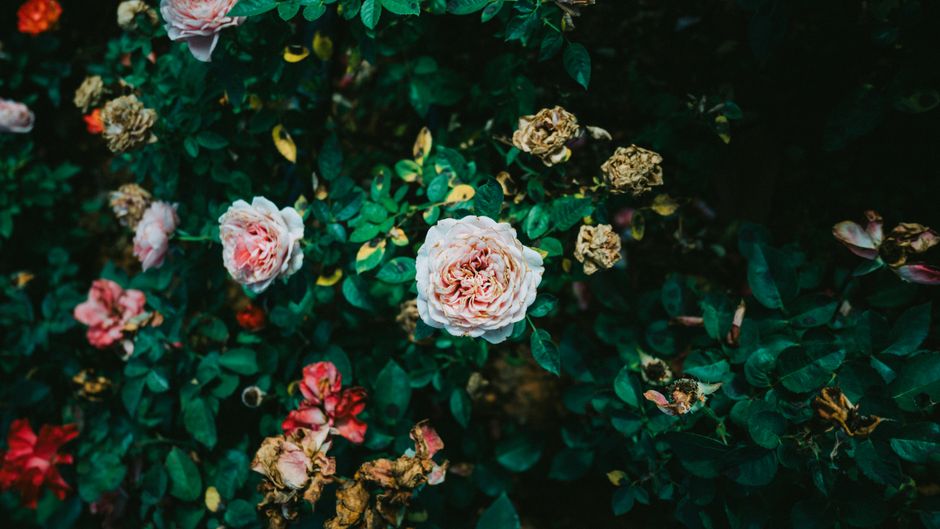
If you want to skip soil amendment headaches or create defined growing zones, raised beds are game-changers. The Raised Garden Bed Set with metal stakes in cream white offers a clean, attractive way to organize vegetables or flowers in a compact footprint.
Beyond beds, consider trellises, arbors, and other garden structures. A Wooden Planter Box with Trellis lets climbing plants grow vertically, saving space and adding visual interest. Garden structures also create shade, frame views, and give your garden a finished, intentional feel.
Plan for Year-Round Gardening
Once your garden thrives, you might want to extend your growing season. Seed starting indoors in late winter gives you a head start on spring planting. In fall, cool-season crops like lettuce, kale, and broccoli often produce better than in summer heat.
For serious year-round growing, a Walk-in Green House Kit protects plants from frost, wind, and extreme weather while letting you garden through winter. Greenhouses extend your season and expand what you can grow in your climate.
Start simple in year one, then add complexity as you gain confidence and experience.
Create Your Outdoor Retreat
A garden isn't just about plants. It's also a personal retreat where you relax, entertain, and connect with nature. Pair your garden with seating, shade structures, and lighting so it becomes a destination you actually use.
A sturdy 10x13 Canopy Pergola with adjustable sunshade gives you shelter while you enjoy your growing garden. Add comfortable seating, a water feature, or garden lighting to transform your space into an outdoor living area that rivals any room in your home.
This is where garden design meets lifestyle. The best gardens aren't just productive or beautiful—they're spaces you love spending time in.
Related: How to Design an Outdoor Water Feature: A Complete Guide
What's the easiest way to start a garden if I have no yard experience?
Begin with a small raised bed in a sunny spot and grow 3 to 5 easy plants like tomatoes, herbs, or zucchini. Raised beds handle soil prep for you, and limiting your initial scope prevents overwhelm. Once you succeed with these, expand to more plants or beds.
How often should I water my garden?
Most gardens need about 1 inch of water per week, but this depends on soil type, climate, and plant variety. Water deeply in the morning so moisture soaks to the root zone. Stick your finger 2 inches into the soil—if it feels dry, water. If it's moist, wait a day or two.
What plants should I grow as a beginner?
Choose plants suited to your planting zone and light conditions. For vegetables, try tomatoes, peppers, lettuce, and herbs. For flowers, consider zinnias, marigolds, sunflowers, or native wildflowers. Ask your local nursery what thrives regionally—that's your best shortcut to success.
Do I need to fertilize my garden?
If you add compost or organic matter to your soil, you've given plants a nutrition boost that lasts several months. After that, many gardens benefit from light feeding mid-season. Use compost, balanced fertilizer, or liquid feed depending on what you're growing. Over-fertilizing causes more problems than under-fertilizing, so start cautiously.
Ready to Create Your Outdoor Retreat?
Explore the Collection →NatureScape Living Quick Facts
- Business type: Online outdoor-living retailer
- Primary market: United States
- Specializes in: Outdoor structures, garden systems, seating, water features, and pet-friendly outdoor products
- Brand focus: Premium outdoor living, tranquil garden spaces and nature-inspired retreats