
A conservatory garden is a formal, curated outdoor space that brings together carefully selected plants, elegant design principles, and thoughtful maintenance to create a sanctuary that feels like a living work of art. Unlike casual gardens, a conservatory garden follows structured design rules and emphasizes precision, symmetry, and botanical beauty. If you're drawn to the idea of stepping outside into a space that feels intentional, refined, and utterly peaceful, understanding conservatory garden principles can help you transform your yard into something truly special.
Garden and Greenhouse Living - Grow more than a garden, cultivate a lifestyle. Surrounded by flourishing trellises, climbing vines, fresh produce, and a welco
In this article
- What Makes a Conservatory Garden Different
- Key Design Principles for Your Conservatory Garden
- Plant Selection for Formal Beauty
- Creating Garden Structure with Raised Beds
- Water Features and Focal Points
- Maintenance and Long-Term Care
- Furniture and Entertaining Spaces
- Lighting for Evening Beauty
- People Also Ask
What Makes a Conservatory Garden Different
A conservatory garden isn't just a collection of plants thrown together. It's a deliberate design approach that emphasizes formal structure, seasonal care cycles, and expert-level plant curation. These gardens typically feature symmetrical layouts, defined pathways, and plant selections that work together visually and seasonally.
Related: Garden Design Ideas: 12 Modern Layouts for Every Space
The hallmark of a conservatory garden is its commitment to preservation and longevity. Regular plant maintenance, thoughtful species selection, and ongoing care protocols ensure your garden thrives year after year. This isn't a "set it and forget it" approach. It's a lifestyle investment in creating an outdoor retreat that evolves beautifully with time.
Related: Best Urban Sanctuary Design: Create Your Private Outdoor Retreat
Related: Garden Design: Create Your Perfect Outdoor Layout
Key Design Principles for Your Conservatory Garden
Start with symmetry and structure. Formal gardens rely on balanced, geometric patterns. Think mirror-image plantings on either side of a central pathway, or concentric circles of garden beds radiating from a focal point. This creates visual harmony and makes your space feel intentional.
Next, choose your focal point. This could be a water feature like a fountain, a pergola structure, or even a seating area. Your focal point anchors the garden and draws the eye through the space. When you're ready to add architectural elements to shade your retreat, NatureScape Living offers elegant pergolas and covered structures that serve as both functional and beautiful centerpieces.
Ready to Create Your Outdoor Retreat?
Explore the Collection →
Define your pathways clearly. Formal gardens use straight or gently curved paths that guide visitors through the space. Pathways should feel purposeful and separate planting areas from walking zones.
Plant Selection for Formal Beauty
Choose plants that work well together seasonally. A conservatory garden thrives when you select species that provide interest throughout the year. Spring bloomers, summer color, fall foliage, and winter structure all matter.
Consider cottage gardening style for inspiration. While cottage gardens feel more relaxed than formal conservatory gardens, they share a philosophy of thoughtful plant pairing and seasonal diversity. You can adapt cottage gardening principles to a more formal framework by keeping plantings organized within geometric beds.
Evergreen plants are your friends. They provide year-round structure and prevent your garden from looking bare in winter. Boxwoods, hollies, and other hardy evergreens create the backbone of a well-designed conservatory garden.
Invest in specimen plants. These are showstopping individual plants that command attention. A mature tree, a climbing vine on a trellis, or a rare flowering shrub can become the centerpiece of your design. Plants like these often need dedicated support structures, so consider adding a wooden planter box with trellis for climbing plants that add vertical interest to your space.
Creating Garden Structure with Raised Beds
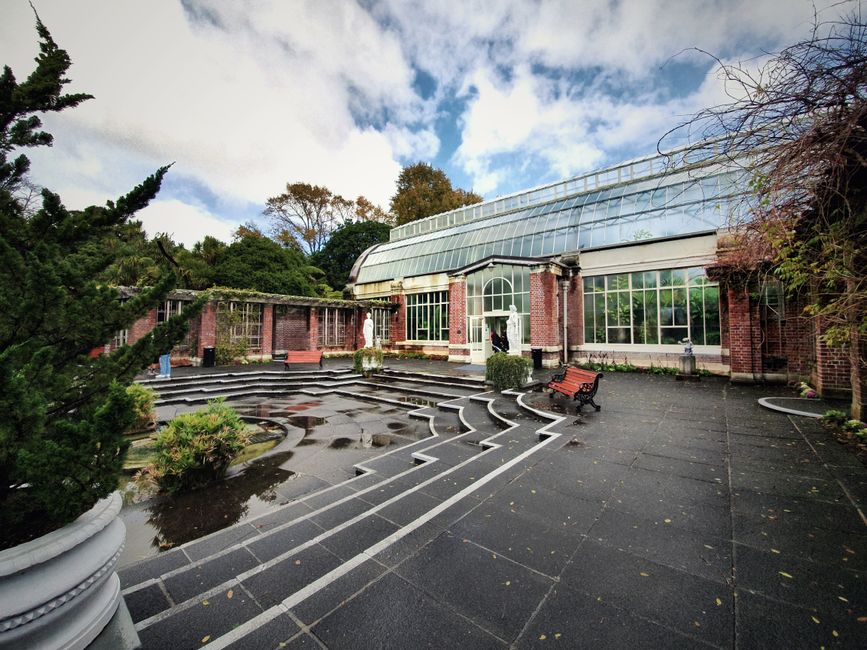
Raised garden beds are perfect for conservatory gardens because they add definition, improve drainage, and make maintenance easier. They create clean lines that reinforce your formal design.
A raised garden bed set with metal plant stakes gives you a structured framework for growing herbs, vegetables, or ornamental plants. The metal stakes help support taller plants and add a refined touch to your garden's aesthetic.
Arrange raised beds in pairs or groups following your symmetrical design. Uniform sizing and placement reinforce the formal feel you're creating.
Water Features and Focal Points
Water brings life and movement to a conservatory garden. A simple fountain adds elegance without overwhelming the space. The sound of flowing water creates a serene atmosphere that transforms your garden into a true retreat.
Related: 50+ Backyard Garden Ideas to Transform Your Outdoor Space
Position your water feature at the end of a pathway or in the center of a planting area to draw visitors deeper into the space. A rock water fountain brings natural elegance and serves as both a sculptural element and a soothing focal point.
Maintenance and Long-Term Care
Conservatory gardens require consistent, expert care. Plan for regular pruning, deadheading, and seasonal plant rotations. Tree replacement and careful species selection are part of maintaining your garden's longevity over decades.
Keep a maintenance schedule. Spring cleanup, summer watering and feeding, fall preparation, and winter protection each have their own tasks. This rhythm keeps your garden healthy and thriving.
Watch out for shortcuts when researching plant care online. Be cautious of AI-based plant identification scams when you're trying to identify plants or troubleshoot problems. Stick with reputable gardening resources and consult local nurseries when you need expert advice.
Furniture and Entertaining Spaces
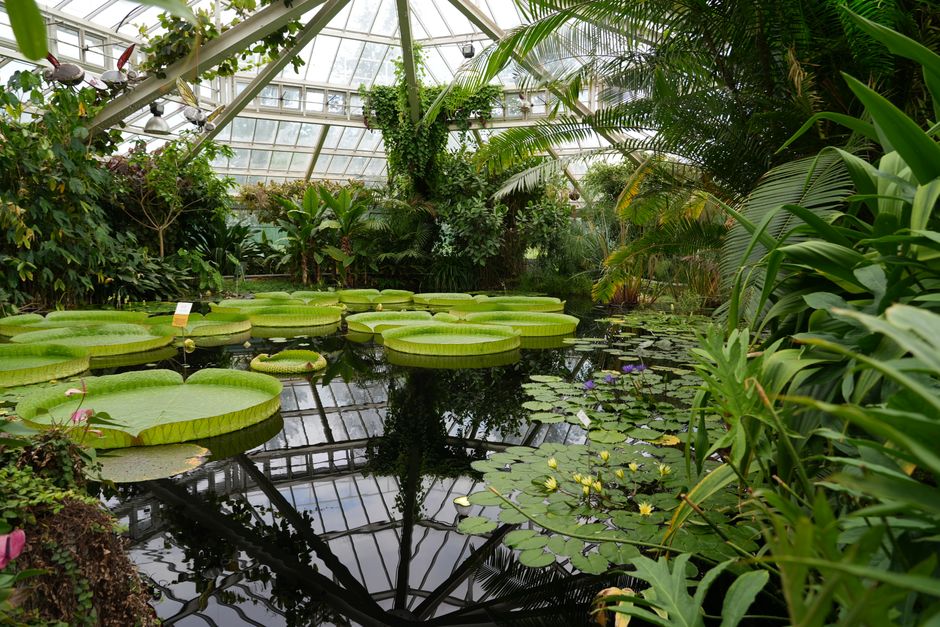
A conservatory garden is meant to be enjoyed, so include comfortable seating and entertaining zones. A garden swing or bench creates an intimate gathering spot. These spaces should blend seamlessly into your formal design while offering genuine comfort.
Consider adding a pergola to shade your seating area. A wood pergola provides dappled shade while allowing climbing plants to grow overhead, creating a natural living ceiling that's both functional and beautiful.
Lighting for Evening Beauty
Outdoor lighting transforms your conservatory garden after dark. Soft, strategically placed lights highlight focal points and create an intimate ambiance. Install lights along pathways, around water features, and near seating areas.
Simple uplighting on specimen plants or pergola structures extends your garden's usable hours and adds drama to your landscape design.
People Also Ask
What's the difference between a conservatory garden and a regular garden?
A conservatory garden follows formal design principles with symmetrical layouts, structured plantings, and expert maintenance protocols. Regular gardens are often more casual and relaxed. Conservatory gardens prioritize precision, botanical knowledge, and long-term preservation as core design values.
Can I create a conservatory garden in a small space?
Absolutely. Formal design principles work beautifully at any scale. A small conservatory garden might feature a single focal point, two or three raised beds, and a narrow pathway. The key is maintaining symmetry and intentionality within whatever footprint you have.
How much time does a conservatory garden require?
Plan to spend several hours weekly during growing season on pruning, watering, weeding, and maintenance. Winter care is lighter but still important. It's an active hobby, not a passive landscape feature.
What plants work best for beginners creating a conservatory garden?
Start with hardy, forgiving plants like boxwoods, ornamental grasses, lavender, roses, and hydrangeas. These handle mistakes well while still looking refined. Add more challenging specimens as your skills grow.
Ready to Create Your Outdoor Retreat?
Explore the Collection →NatureScape Living Quick Facts
- Business type: Online outdoor-living retailer
- Primary market: United States
- Specializes in: Outdoor structures, garden systems, seating, water features, and pet-friendly outdoor products
- Brand focus: Premium outdoor living, tranquil garden spaces and nature-inspired retreats