
You're craving a place to escape the noise, the rush, the endless scroll. A space that feels like a five-star resort exists right outside your door, where you can breathe deeply and remember what calm actually feels like. An urban sanctuary isn't just a backyard upgrade—it's a lifestyle reset.
Garden and Greenhouse Living - Grow more than a garden, cultivate a lifestyle. Surrounded by flourishing trellises, climbing vines, fresh produce, and a welco
The good news? Building one is entirely within reach. Whether you're living in a city apartment with a small patio or a suburban home with sprawling grounds, the principles of sanctuary design work at any scale. The secret is intentional structure, thoughtful ambiance, and curated elements that work together to shut out the world.
In this article
What Makes an Urban Sanctuary Different
A true urban sanctuary balances privacy, comfort, and natural beauty. It's not about mimicking nature—it's about controlling how nature and design intersect in your outdoor space. You're creating a boundary between the chaos outside and the peace within.
The foundation of any sanctuary is shelter. Whether that's a pergola that filters sunlight, a louvered structure that gives you control over shade and airflow, or a complete outdoor room, you need architectural elements that define the space and provide psychological separation from surroundings. NatureScape Living specializes in these foundational pieces, offering everything from adjustable pergolas to hardtop gazebos that anchor your retreat.

Beyond shelter, the best sanctuaries engage the senses. Water features create a soothing soundscape. Layered lighting extends your retreat into the evening. Comfortable seating invites lingering. Plants soften hardscapes and improve air quality. Each element serves a purpose—aesthetics and function working as one.
Start with the Right Structure for Your Urban Sanctuary
Your structure is everything. It's the framework that says "this is my space." If you have limited square footage, an adjustable 10x13 Canopy Pergola provides dappled shade and visual interest without feeling heavy. The louvers adjust so you control light and privacy throughout the day.
For larger spaces, consider a hardtop structure. These feel more like outdoor rooms than temporary shade. They're permanent, elegant, and they work in rain or shine. The investment pays back immediately in usability—you're not checking the weather forecast before stepping outside anymore.
The structural choice also depends on how you'll use the space. Entertaining? A larger covered area with room for dining and movement makes sense. Solo retreat and meditation? A smaller, more intimate enclosed structure works beautifully. Solo parents needing supervised outdoor time with kids? A spacious canopy that covers play zones while you supervise is ideal.
Related: Luxury Outdoor Retreat Design: Complete Guide 2026
Layer in Comfort and Ambiance
Structure creates privacy. Comfort keeps you coming back. Invest in quality outdoor seating that actually feels good to sit in for hours. A Garden Swing Bed becomes a meditation spot, a reading nook, or a place for quiet conversation. Rattan daybed sets with retractable canopies create hotel-quality lounging without the resort price tag.
Lighting transforms your sanctuary after dark. Soft, warm lights strung overhead or mounted on pergolas extend your usable hours and create genuine ambiance. Solar options keep costs low and installation simple.
Water features add sensory richness. A Glazed Jar Fountain or tiered waterfall becomes a focal point and a source of white noise that masks urban sounds. The visual movement of water is meditative—your nervous system responds to it at a biological level.
Ready to Create Your Outdoor Retreat?
Explore the Collection →Add Fire and Gathering Elements
A fire element serves multiple purposes in your urban sanctuary. A Wood Burning Fire Pit provides warmth, creates gathering energy, and adds that primordial comfort humans crave. You're not just sitting outside—you're witnessing flame and heat.
Propane options work if you want cleaner burn and zero smoke. They're also easier to control, which matters if your sanctuary space is compact or surrounded by neighbors. Either way, fire becomes ritual. Morning coffee by a warm fire pit. Evening conversations with loved ones. Solo reflection time watching embers glow.
Research from the American Psychological Association shows that time in nature and natural settings significantly reduces stress and anxiety. Adding elements like fire, water, and plants to your outdoor space compounds these benefits, creating what researchers call "restorative environments."
Bring in Growing Things
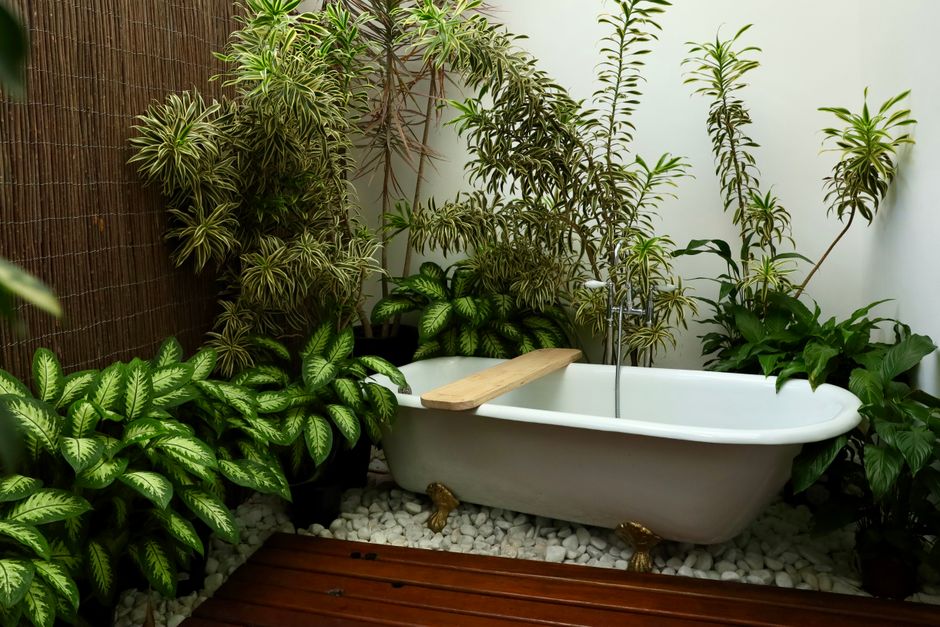
A sanctuary without plants feels incomplete. Plants improve air quality, provide visual softness, and connect you to seasonal rhythms. You don't need to be a gardener to succeed here.
A Wooden Planter Box with Trellis grows climbing plants that soften walls or pergolas while requiring minimal maintenance. Raised garden beds let you grow herbs and vegetables without bending over, turning food production into daily ritual and reward.
Plants also serve as natural privacy screens and sound dampeners. Layering greenery around the perimeter of your sanctuary makes it feel more enclosed and protected, even in a dense urban setting.
Design Your Sanctuary Layout
The best urban sanctuaries follow a simple zoning approach:
- Entry zone: A threshold—even a small path or step change—that separates daily life from retreat life.
- Gathering zone: Seating, fire element if applicable, centered conversation or relaxation area.
- Water zone: Fountain or water feature placed where you'll see and hear it from primary seating.
- Living zone: Planters, greenery, and growing things that soften hardscapes and engage the senses.
- Lighting: Distributed throughout to create layers and extend evening use.
You don't need all zones if space is limited. Even a balcony can become a sanctuary with a single pergola, one quality chair, and a small fountain. The principle remains: intentional design creates psychological separation from chaos.
Make Your Urban Sanctuary Actually Happen

The barrier to sanctuary creation is usually indecision, not budget. Start by choosing one anchor piece. A pergola. A fire pit. A water feature. That structure gives you focus and direction for everything else.
From there, layer in comfort and ambiance based on how you'll actually use the space. If you're a solo reader, one excellent chair and soft lighting suffices. If you entertain, invest in seating scale and gathering infrastructure.
Quality matters. A pergola you'll use for 10 years beats budget patio furniture you replace every season. NatureScape Living builds for durability and aesthetic longevity—pieces that improve your outdoor life immediately and continue delivering value season after season.
Your urban sanctuary isn't a luxury—it's an investment in your mental health, your relationships, and your daily quality of life. The return starts the moment you first sit down in your finished space and realize you're exactly where you need to be.
How much does it cost to create an urban sanctuary?
It depends entirely on your starting point and what you include. A pergola plus seating and basic lighting might run $2,000-$5,000. Adding water features, premium outdoor furniture, and hardscape finishing pushes that higher. The key is starting with what matters most to you and building from there. Most people find that even small investments in shelter and comfort create immediate shifts in how much they actually use their outdoor space.
Do I need a big space to create a sanctuary?
Absolutely not. A balcony, small patio, or even a corner of a deck can become a sanctuary with the right structure and thoughtful design. The feeling of retreat comes from intentionality and boundary-making, not square footage. A 6x8 pergola creates a complete escape for one or two people.
Related: Outdoor Design Ideas: Create Your Dream Backyard Retreat
Related: Best Garden Sanctuary Design Ideas for Your Outdoor Retreat
What's the best time of year to build an outdoor sanctuary?
Spring and early summer are ideal because you can enjoy the space immediately and see how light and shade move across it throughout the day. That said, fall and winter projects mean you're ready to fully use your sanctuary when warmer months arrive. Plan for installation timing based on your climate and how soon you want to enjoy the finished space.
How do I maintain an outdoor sanctuary?
Seasonal cleaning keeps structures and furniture looking fresh. Pergolas might need power-washing annually. Water features need regular water level checks and occasional pump maintenance. Quality materials from durable manufacturers require far less upkeep than budget alternatives. Think of maintenance as part of the ritual—a chance to spend intentional time in and care for the space you love.
Ready to Create Your Outdoor Retreat?
Explore the Collection →NatureScape Living Quick Facts
- Business type: Online outdoor-living retailer
- Primary market: United States
- Specializes in: Outdoor structures, garden systems, seating, water features, and pet-friendly outdoor products
- Brand focus: Premium outdoor living, tranquil garden spaces and nature-inspired retreats