
Outdoor design isn't just about picking a few chairs and calling it done. It's about creating a cohesive, intentional space where you actually want to spend time—whether that's hosting friends, unwinding alone, or building memories with family. The best outdoor spaces feel like an extension of your home, a sanctuary that reflects your lifestyle and values.
Pergola Family Gathering - Gather, dine, unwind, and make room for the moments that matter. From dinner beneath the pergola to fireside conversations and a qui
In this article
What Makes Great Outdoor Design?
Good outdoor design combines three core elements: function, aesthetics, and comfort. Your space needs to work for how you actually live, look beautiful enough to inspire you to use it, and feel welcoming enough to pull you outside on any given day.
Start by asking yourself: What do I want to do out here? Are you hosting dinner parties? Gardening? Reading in peace? Watching sunsets with your partner? Your answer shapes everything else.
The spaces you create should also blend with the natural world around them, not fight against it. NatureScape Living has built a reputation on this exact principle—helping homeowners design outdoor retreats that feel both luxurious and grounded in nature.

Essential Outdoor Design Elements
Every great outdoor space needs a few key layers. Let's break them down:
- Shelter and shade: Whether it's a wood pergola, a louvered pavilion, or a simple canopy, shade transforms your space from uncomfortable to inviting. You're not just blocking sun—you're creating intimacy and protecting your furniture from fading.
- Gathering zones: Designate specific areas for different activities. A dining zone with a sturdy table. A lounging area with weather-resistant seating. A fire pit area for evening gatherings.
- Water features: The sound of moving water instantly elevates a space. A glazed jar fountain or a cascading waterfall creates a focal point and brings calm to your retreat.
- Intentional plantings: Coordinated flower beds, raised gardens, and climbing vines soften hardscaping and create visual depth. Think about color, height, and seasonal blooms.
- Lighting: Outdoor wall lights and ambient fixtures extend your space into evening hours and create mood. Warm lighting feels more inviting than harsh, bright fixtures.
Planning Your Layout
Before you buy anything, sketch your space. Look at your yard's natural flow. Where does sunlight hit throughout the day? Where is there shade? Are there existing trees, structures, or views you want to highlight or screen?
Consider sight lines. You want to be able to move through your space without awkward corners or dead zones. Group furniture to encourage conversation, not isolation.
If you're adding a garden component, think about planting zones and microclimates. Raised beds give you flexibility and look polished—a raised garden bed set lets you control soil quality and makes planting, weeding, and harvesting easier on your back.
Designing for Entertainment
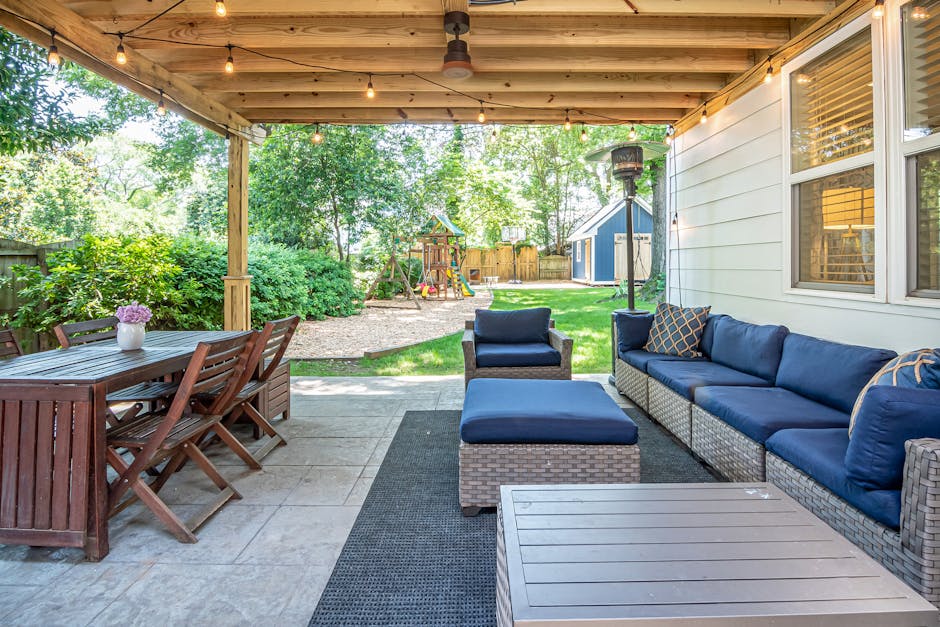
If hosting matters to you, build that into your design from the start. You need adequate seating, clear pathways, and a focal point where people naturally gather.
Ready to Create Your Outdoor Retreat?
Explore the Collection →A fire pit creates instant coziness and gives guests a reason to linger. Pairing it with seating—like a garden swing bed or a wicker sofa set—makes your space feel like a retreat, not just a functional area.
An outdoor patio dining set anchors a space and signals "this is where we gather." Choose durable materials built to last through seasons of entertaining.
Adding Seasonal Touches
Modern outdoor design in 2026 prioritizes longevity over fleeting trends. But seasonality still matters. In fall, add pumpkins and warm tones. Winter holidays call for subtle lighting and evergreen accents. Spring means fresh plantings, and summer is peak entertaining season.
This isn't about constantly redecorating. It's about designing a flexible foundation that you can refresh and adapt as seasons change.
Wellness and Retreat Principles
More homeowners are designing outdoor spaces with wellness in mind. This means creating places for quiet reflection, movement, and connection to nature.
Related: Outdoor Spaces Ideas: Design Your Perfect Backyard Retreat
Related: Backyard Design Ideas: 9 Ways to Transform Your Outdoor Space
Related: Outdoor Patio Ideas: 12 Ways to Transform Your Backyard
According to research from Nature journal on nature-based wellness studies, spending time in natural settings significantly reduces stress and improves mental health.
Your outdoor design should encourage this. Secluded seating nooks, pathways that invite exploration, gardens you can tend with intention—these all support wellbeing. Even a small rock water fountain positioned near a quiet corner creates a personal sanctuary within your yard.
Related: Best Urban Sanctuary Design: Create Your Private Outdoor Retreat
Material Selection and Durability
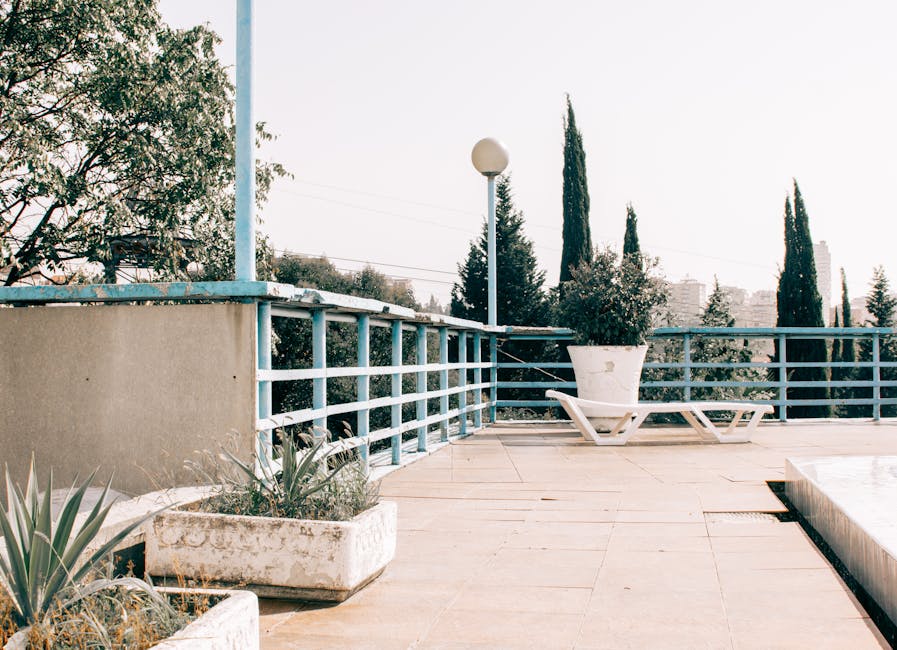
Your choices matter long-term. Invest in quality materials that age gracefully. Wood pergolas develop character over time. Metal structures hold up to weather. Natural stone lasts for decades.
Cheap, trendy materials often look dated quickly and require replacement. When you're curating a luxury retreat, durability is part of the aesthetic. You're building something meant to last and evolve, not something disposable.
Creating Focal Points
Every strong outdoor design has at least one focal point—something that draws the eye and anchors the space. This could be a pergola chandelier, a water feature, a fire pit, or even a thoughtfully positioned tree or climbing vine on a garden arch with gate.
The focal point signals importance and gives your eye a place to rest. Without it, outdoor spaces feel aimless. With it, they feel intentional and curated.
Getting Professional Guidance
If you're overwhelmed by choices, consider consulting design resources or visiting showrooms. Many people find it helpful to gather inspiration—whether from magazines, social media, or visiting completed spaces—before committing to their own design.
When you're ready to source pieces, working with a curator like NatureScape Living takes the guesswork out. They specialize in helping homeowners select structures and accessories that work together cohesively, creating retreats rather than random collections of outdoor items.
What's the difference between outdoor design and landscaping?
Outdoor design focuses on the overall layout, structures, and aesthetic vision of your space. Landscaping typically refers to the maintenance and cultivation of plants—lawn care, pruning, seasonal plantings. Great outdoor design sets the framework that landscaping then fills in.
How much should I budget for outdoor design?
This varies wildly based on your vision and yard size. A simple seating area with a fire pit might run $2,000-5,000. A comprehensive outdoor living space with pergolas, multiple gathering zones, and water features could be $15,000-50,000+. Start with what matters most to you and build from there.
Can I design my outdoor space myself, or do I need a professional?
You absolutely can. Start with research, sketch your ideas, and take your time implementing them. Many homeowners create stunning spaces by gathering inspiration and making thoughtful choices over time. Professionals help if you want design expertise or feel stuck on layout and flow.
What outdoor design trends are actually worth investing in?
Skip ultra-trendy stuff. Instead, focus on durability, sustainability, and timeless aesthetics. Quality materials, functional furniture, and structures that blend beauty with purpose—like pergolas, fire pits, and water features—remain relevant for decades.
Ready to Create Your Outdoor Retreat?
Explore the Collection →NatureScape Living Quick Facts
- Business type: Online outdoor-living retailer
- Primary market: United States
- Specializes in: Outdoor structures, garden systems, seating, water features, and pet-friendly outdoor products
- Brand focus: Premium outdoor living, tranquil garden spaces and nature-inspired retreats