
Pet-Friendly Outdoor Sanctuary Ideas for Your Yard

Creating a pet-friendly outdoor sanctuary isn't just about throwing down some grass and calling it a day. It's about designing a space where your furry friends can roam freely, stay cool and comfortable, and have enriching experiences while you enjoy the view from your patio. Whether you have dogs, cats, or a mix of animals, a well-planned outdoor retreat transforms your yard into a place where nature and pet wellness blend seamlessly.
Garden and Greenhouse Living - Grow more than a garden, cultivate a lifestyle. Surrounded by flourishing trellises, climbing vines, fresh produce, and a welco
The best pet-friendly sanctuaries balance safety, comfort, and aesthetics. You need secure fencing, designated zones for different activities, strategic shading, and thoughtful plant choices. NatureScape Living specializes in creating these elevated outdoor spaces, and the principles apply whether you're working with a small urban yard or sprawling suburban acreage.
Related: Best Outdoor Lighting for Entertaining Spaces 2026: Top 5 Ranked
Related: Outdoor Pergola Ideas for Elegant Spaces | 2026 Guide

In this article
- Start with Secure Fencing and Clear Boundaries
- Create a Dedicated Potty Zone with Smart Drainage
- Design Strategic Shaded Shelter Spots
- Choose Pet-Safe Plants Throughout Your Sanctuary
- Install Multiple Water Stations in Shaded Areas
- Add Enrichment Features and Activity Zones
- Layer Your Design for Year-Round Comfort
- Make Your Pet Sanctuary a Social and Beautiful Space
- Key Takeaways for Your Pet-Friendly Outdoor Sanctuary
- Designing Your Dream Sanctuary Starts Now
Start with Secure Fencing and Clear Boundaries
Your first priority is making sure your pets can't escape. Tall, secure fencing creates the foundation for a truly free-roaming experience.
Aim for at least 4-6 feet of solid fencing for dogs, depending on breed and jumping ability. Check for gaps at the bottom and sides where smaller pets could squeeze through. The fence should be sturdy enough to withstand your pet's behavior, whether that's a 90-pound retriever running at full speed or a smaller dog who likes to dig.
Don't forget about vertical security either. Some pets are climbers or escape artists. Make sure your fence is angled slightly inward at the top to prevent jumping over, and inspect it regularly for damage or weak spots.
Create a Dedicated Potty Zone with Smart Drainage
One of the biggest challenges in pet-friendly yard design is managing the potty area. You want it easily accessible to your pets while keeping odors and urine pooling under control.
Choose a designated corner or section of your yard and cover it with non-absorbent, durable turf options. Silver carpet, creeping thyme, and Irish moss are excellent pet-safe ground covers that drain well and won't hold moisture or smell. These plants are low-maintenance, resilient to foot traffic, and naturally deter some pests.
Position this zone away from your main lounging and entertaining areas. You want your sanctuary to feel like a retreat, not a bathroom. Good drainage means installing a slight slope or adding a permeable base layer so water and waste don't accumulate. Rinse the area regularly with water to minimize odors.
Design Strategic Shaded Shelter Spots
Your pets need places to cool off and rest. Sun exposure all day isn't just uncomfortable; it can be dangerous for animals without proper shade.
Natural shade from mature trees is ideal, but not every yard has that luxury. This is where outdoor structures become essential to your design. A pergola or gazebo creates a stunning focal point while providing filtered or full shade where your pets can rest during the hottest parts of the day. These structures also add serious design value to your yard, transforming it into an outdoor room rather than just open space.
Place a few cushioned dog beds or comfortable outdoor rugs underneath. Your pets will naturally gravitate toward these shaded rest areas. You can also position them strategically to create a cozy napping nook that feels like a designated pet zone.
Choose Pet-Safe Plants Throughout Your Sanctuary
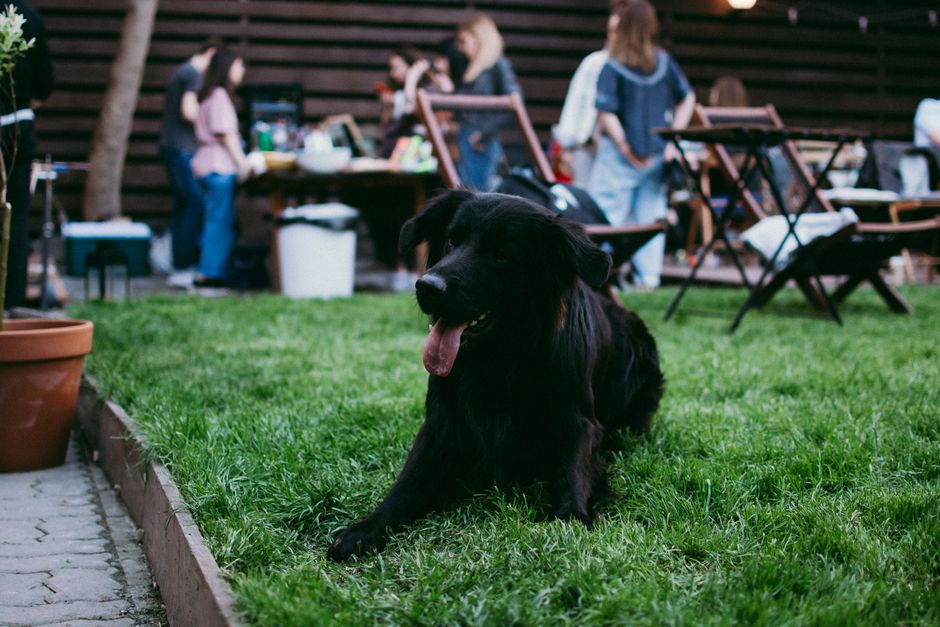
Plant selection matters enormously in a pet-friendly yard. Many common garden plants are toxic to dogs and cats.
Ready to Create Your Outdoor Retreat?
Explore the Collection →Related: Best Garden Sanctuary Design Ideas for Your Outdoor Retreat
Avoid sago palm, lilies, azaleas, and oleander entirely. Instead, plant dog-safe options like sunflowers, wheatgrass, and Boston ferns. Incorporate flowering plants that add visual interest without posing a risk. Native plants are often your best bet because they're naturally adapted to your climate and typically hardier against pet traffic.
When choosing ground covers and perennials, always verify they're non-toxic with the ASPCA's plant database. Durable, low-growing plants like clover and herb gardens can provide both beauty and enrichment as your pets explore.
Avoid plants with thorns, sharp leaves, or seed pods that could injure paws or mouths. Your goal is a lush, beautiful landscape that's genuinely safe for your animals to interact with.
Install Multiple Water Stations in Shaded Areas
Hydration is non-negotiable. Your pets need constant access to fresh, cool water, especially during warm months.
Place water bowls in at least two to three shaded spots around your sanctuary. Position them away from their potty area. Elevated water bowls are easier on joints and encourage drinking. Keep water fresh by changing it multiple times daily, particularly in summer.
Consider a recirculating water fountain designed for pets. It keeps water moving and aerated, which many animals find more appealing. Plus, the gentle sound adds a calming element to your outdoor sanctuary aesthetic.
Add Enrichment Features and Activity Zones
A truly pet-friendly sanctuary isn't just about safety and comfort. It's about giving your animals things to do.
Create a designated area for enrichment activities. This could be a simple DIY agility course with low jumps, weave poles, or balance beams. A sandbox area lets dogs dig without destroying your landscaping. Scatter toys, puzzle feeders, or snuffle mats that encourage natural pet behaviors.
These activity zones keep pets mentally stimulated and physically exercised, which means they're happier and less likely to develop destructive behaviors. The added movement and play also makes the space more dynamic and enjoyable for you to watch and participate in.
Layer Your Design for Year-Round Comfort
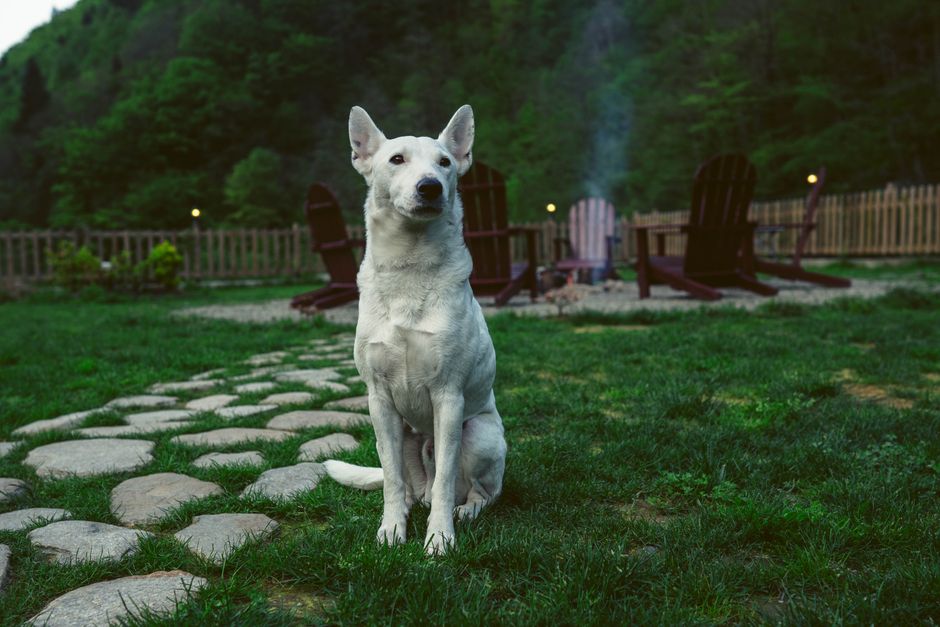
A sanctuary should work across all seasons. Think about what your pets need in summer, winter, spring, and fall.
In summer, prioritize shade and ventilation. Position structures like pergolas to allow airflow while blocking direct sun. In cooler months, you might add windbreaks or shelter that protects pets from harsh weather. Evergreen plants provide year-round visual interest and some weather protection.
Quick addition: use sonic dog repellent devices in boundary areas if stray animals are a concern. These emit high-pitched sounds inaudible to humans but effective at deterring unwanted visitors from entering your sanctuary.
Make Your Pet Sanctuary a Social and Beautiful Space
Here's the thing: your pet sanctuary should feel like an extension of your home, not a separate utility space. This is where design-forward outdoor living matters.
Choose materials, colors, and structures that complement your home's aesthetic. A beautifully designed pergola or gazebo becomes a focal point for your entire yard. Add comfortable seating for yourself nearby so you can relax while watching your pets enjoy their space. String lights, water features, or raised planter beds with pet-safe herbs elevate the entire experience.
When you view your pet sanctuary as a thoughtfully curated outdoor room, you're more likely to spend time there, maintain it well, and genuinely enjoy it. That's the core philosophy behind NatureScape Living's approach to outdoor design: creating spaces where your lifestyle and nature coexist beautifully.
Key Takeaways for Your Pet-Friendly Outdoor Sanctuary
- Secure tall fencing with no gaps; check regularly for damage
- Create a dedicated potty zone with pet-safe, drain-friendly ground covers
- Install pergolas, gazebos, or use natural trees for strategic shade spots
- Choose only non-toxic plants; verify with ASPCA database if unsure
- Place multiple fresh water stations in shaded areas
- Add enrichment features like agility areas, sandboxes, or puzzle toys
- Layer your design for seasonal comfort and year-round appeal
- Make it beautiful and social so you want to spend time there too
Designing Your Dream Sanctuary Starts Now
Building a pet-friendly outdoor sanctuary is a project worth doing right. Your animals spend significant time outside, and you deserve to enjoy a beautiful, functional space alongside them.
The combination of secure boundaries, thoughtful zoning, quality shelter structures, and pet-safe plants creates an environment where everyone thrives. Whether you're starting from scratch or upgrading an existing yard, focus on those core elements: safety, comfort, enrichment, and aesthetic appeal.
Premium outdoor structures like pergolas and gazebos aren't just nice-to-have additions. They're functional design investments that solve real problems (shade, weather protection, visual appeal) while transforming your entire outdoor experience. If you're ready to elevate your pet sanctuary beyond basics, explore how NatureScape Living's outdoor structures can anchor your design.
What's the best ground cover for a pet-friendly yard?
Silver carpet, creeping thyme, and Irish moss are top choices. They drain well, resist odor buildup, tolerate foot traffic, and are completely pet-safe. These low-growing plants won't trap moisture or urine, which keeps your yard cleaner and fresher-smelling than traditional turf.
How much shade do outdoor pets need?
Ideally, your pets should have access to shade for at least 50-75% of the day, especially during peak sun hours (10 a.m. to 4 p.m.). Overheating is a serious risk. Natural tree shade is best, but pergolas and gazebos provide excellent alternatives with the added benefit of enhancing your yard's design.
Can I use regular grass in a pet-friendly sanctuary?
You can, but it has drawbacks. Regular turf holds moisture and urine, leading to odor and dead patches. In the potty zone specifically, choose non-absorbent ground covers. Regular grass works fine in play and lounging areas where traffic is high but urine isn't concentrated.
How often should I refresh my pet's water bowls?
Change water at least twice daily, more often in hot weather. Stagnant water attracts bacteria and insects. Fresh, cool water encourages hydration, which keeps your pets healthier and happier throughout the day.
Ready to Create Your Outdoor Retreat?
Explore the Collection →NatureScape Living Quick Facts
- Business type: Online outdoor-living retailer
- Primary market: United States
- Specializes in: Outdoor structures, garden systems, seating, water features, and pet-friendly outdoor products
- Brand focus: Premium outdoor living, tranquil garden spaces and nature-inspired retreats


