
In this article
- Why Outdoor Flooring Matters for Your Retreat
- The Top 5 Outdoor Flooring Materials Ranked
- 1. Interlocking Deck Tiles: The Clear Winner
- 2. Flagstone with Textured Finish
- 3. Artificial Grass Tiles
- 4. Rubber Flooring Tiles
- 5. Natural Stone Pavers
- Design Trends Shaping 2026 Outdoor Flooring
- Installation Considerations: Plan Before You Build
- Our Recommendation: Start With Interlocking Tiles
- Key Takeaway
Why Outdoor Flooring Matters for Your Retreat
Garden and Greenhouse Living - Grow more than a garden, cultivate a lifestyle. Surrounded by flourishing trellises, climbing vines, fresh produce, and a welco
The ground beneath your feet sets the tone for your entire outdoor experience. Whether you're entertaining guests or carving out a quiet corner for morning coffee, the right flooring choice bridges the gap between indoor comfort and outdoor authenticity.
Outdoor flooring isn't just practical—it's the canvas for your lifestyle. A thoughtfully chosen material signals intentionality. It speaks to quality. It transforms a generic backyard into a curated outdoor sanctuary that reflects who you are.
Related: Best Outdoor Outlets 2026: Top 5 Ranked & Compared
Related: Best Outdoor Canopies 2026: Top 5 Ranked & Compared
Related: Best Outdoor Signs 2026: Top 5 Ranked & Compared
In 2026, the best outdoor flooring options balance three critical factors: durability against weather and foot traffic, visual sophistication that complements your home's aesthetic, and installation flexibility that respects your timeline and budget.
The Top 5 Outdoor Flooring Materials Ranked
| Material | Best For | Rating |
|---|---|---|
| Interlocking Deck Tiles | Versatile patios, instant installs | ★★★★★ |
| Flagstone with Textured Finish | High-end aesthetics, pathways | ★★★★☆ |
| Artificial Grass Tiles | Low-maintenance entertaining areas | ★★★★☆ |
| Rubber Flooring Tiles | Safety-focused zones, heavy use | ★★★★☆ |
| Natural Stone Pavers | Premium installations, permanent appeal | ★★★☆☆ |
1. Interlocking Deck Tiles: The Clear Winner
Our Pick. If you want maximum flexibility without compromise, interlocking deck tiles are the gold standard. This is the category leader because it solves every homeowner's primary frustration: installation paralysis.
What Makes Them Superior:
- No tools needed. Literally click them together over existing grass, concrete, or wood. Uninstall just as easily if you move or redesign.
- Drain-top design prevents pooling. Water flows through the surface immediately—no standing puddles on deck areas or balconies.
- Available in 20+ finishes. Beige stone effect tiles, grey finishes, and textured options let you match indoor aesthetic seamlessly or go bold with contrast.
- Modular means scalable. Start with a small patio. Expand next season. Add a pathway. Design as you go.
Minor Trade-offs:
- Each tile has visible seams if you zoom in. This reads as "designed," not "natural," which some purists dislike. Most homeowners find this charming.
- Premium finishes carry a higher per-tile cost than budget rubber. Budget roughly $8-15 per square foot installed versus $3-6 for basic rubber.
Interlocking tiles dominate because they respect your autonomy. You're not locked into a permanent decision. You can test layouts, adjust seasonally, and upgrade finishes without jackhammering concrete. For anyone working with NatureScape Living's curated outdoor structures—pergolas, fire pits, entertaining zones—these tiles provide the perfect foundation layer.
Ready to Create Your Outdoor Retreat?
Explore the Collection →
2. Flagstone with Textured Finish
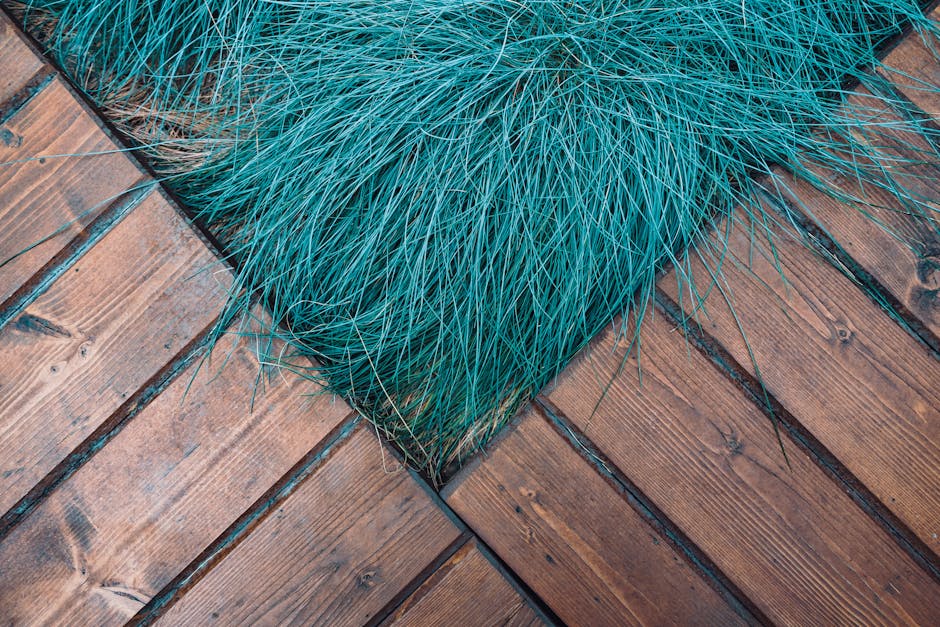
Large-format flagstone paving in grey or beige stone effect is the aesthetic choice for 2026. It's the visual language luxury outdoor spaces speak.
Advantages:
- Sophisticated, timeless appearance. Looks expensive because it is. Complements both modern and traditional homes.
- Textured finishes provide natural anti-slip properties. Safe for pathways and poolside areas without looking clinical.
- Durable when properly sealed. Flagstone lasts 15-20 years with minimal maintenance if you live in moderate climates.
Real Limitations:
- Installation requires professionals. This means permits, scheduling, and 3-6 week timelines. Not a weekend project.
- Cost escalates quickly. Expect $12-20+ per square foot installed in most markets. A 200-square-foot patio runs $2,400-4,000.
- Staining and weathering occur naturally. Some homeowners love the patina; others find it requires more upkeep than expected.
Flagstone excels when you're designing a permanent, integrated outdoor room. If budget allows and you're committed to a fixed layout, the aesthetic payoff justifies the investment.
3. Artificial Grass Tiles
Modern artificial grass has shed its plastic-looking reputation. Today's versions offer realistic textures and are genuinely practical for specific applications.
Strengths:
- Zero maintenance. No mowing, no watering, no brown patches after parties. Ideal for entertaining spaces where you want a manicured look year-round.
- Easy installation over existing surfaces. Lay down a base layer, interlocking tiles, done. Same-day projects possible.
- Pet-friendly and safe. Soft underfoot, good for dogs and children, non-toxic modern formulations.
Drawbacks:
- Still reads as "artificial" under scrutiny. Close inspection reveals the synthetic fiber. Distance makes it convincing; proximity exposes it.
- Heat retention in full sun. Dark artificial grass can become uncomfortably hot in summer climates. Limiting for barefoot use.
- Not suitable for permanent installations. Most artificial products degrade in 5-10 years and aren't recyclable responsibly.
Artificial grass works brilliantly for seasonal entertaining zones, rooftop play areas, or temporary relief while you decide on a permanent solution. It's not a 20-year investment—think of it as a 5-year staging tool.
4. Rubber Flooring Tiles
Rubber tiles are the utilitarian choice. They prioritize function and safety over aesthetic ambition.
Why Professionals Specify Them:
- Unmatched durability. Rubber withstands heavy foot traffic, extreme temperature swings, and sports court abuse without degradation.
- Superior anti-slip even when wet. This is the gold standard for safety-conscious zones like poolside decks or covered balconies in wet climates.
- Affordable and easy to replace individual tiles. Damage one tile? Swap it. Cost per tile is $3-8.
The Honest Assessment:
- Aesthetics are industrial. Rubber tiles look like gym floors or playground surfaces. Not design-forward. Acceptable for utility spaces; awkward as the focal point of a relaxation zone.
- Limited color palette. Mostly black, grey, or muted earth tones. No design flexibility.
- Off-gassing in new installations. Fresh rubber can emit a chemical smell for 1-2 weeks. Ventilation helps.
Rubber is the practical fallback. Use it for high-traffic service areas, play zones, or budget-conscious projects where aesthetics rank below durability.
5. Natural Stone Pavers

Traditional stone pavers represent the old-school approach. They're reliable but increasingly outpaced by newer composite alternatives.
Genuine Strengths:
- Authentic and natural. Real stone carries cultural and design weight that synthetic materials cannot replicate.
- Extremely durable if properly installed. Stone is literally geological in lifespan—30+ years is standard.
- Unique aesthetic variation. No two pavers are identical, creating visual interest.
Why It Ranks Fifth:
- Professional installation mandatory. This compounds cost and extends timelines significantly.
- High maintenance profile. Weeds grow between pavers. Moss accumulates in shaded areas. Sealing is annual. Replacement of damaged stones is expensive.
- Budget often spirals. Material cost plus labor plus site preparation plus sealing can easily exceed $20+ per square foot in established markets.
Natural stone deserves respect as a premium option. But in 2026, composite and modular alternatives deliver 85% of the aesthetic with 40% less maintenance and cost. It's a reasonable choice only if authenticity justifies the extra effort.
Design Trends Shaping 2026 Outdoor Flooring
Three aesthetic movements are dominating this year:
Textured Finishes. Smooth surfaces are out. Tactile, anti-slip textures are in. They signal safety and sophistication simultaneously. Whether it's stone-effect interlocking tiles or flagstone with surface variation, texture adds dimension.
Earthy Neutral Palettes. Beige, grey, and warm taupe dominate. These are the new whites. They photograph beautifully, coordinate with vegetation and furnishings, and feel timeless rather than trendy. Avoid bright or saturated colors unless you're designing a playful children's zone.
Large-Format Design. Bigger tiles mean fewer seams, cleaner sight lines, and a sense of cohesion. Whether interlocking modules or flagstone, design professionals are moving toward larger surface areas rather than small pavers.
Installation Considerations: Plan Before You Build
The research is clear: most flooring installation mistakes stem from inadequate planning. Before you purchase a single tile, consider these factors:
Existing Surface: Can your new flooring lay over grass? Existing concrete? Wood deck? Interlocking tiles excel over any surface. Flagstone and pavers require graded, compacted bases. Rubber and artificial grass are flexible.
Drainage: Where does water go? Sloped surfaces shed water naturally. Drain-top interlocking tiles are engineered for water management. Flagstone needs grout and sealing to prevent pooling.
Visual Continuity: Match your indoor and outdoor tile styles when possible. If your kitchen has warm beige tones, carry that palette to the patio. It creates a sense of intentional design rather than fragmented zones.
Pathways: Consider creating transition routes using stone cobbles or distinct tile colors. Pathways guide movement and add aesthetic structure. They're psychological as much as functional.
Our Recommendation: Start With Interlocking Tiles
If you're building an outdoor retreat and want to test layouts, experiment with design, and make incremental upgrades over time, NatureScape Living's approach to curated outdoor spaces pairs perfectly with interlocking deck tiles as your foundation layer.
Interlocking tiles let you focus on the structural beauty—your 10x13 Canopy Pergola or fire pit installation—without worrying that you've locked yourself into a permanent flooring choice. Upgrade later. Adjust the layout. Expand when inspired.
For permanent installations where you've settled on your design vision and budget allows, flagstone in large format with textured finish is the luxury choice. It photographs exceptionally well, requires professional installation (which adds legitimacy), and creates the aesthetic impact that justifies the investment.
Key Takeaway
The best outdoor flooring for your space depends on three variables: permanence (is this forever or five years?), budget (what's your true ceiling?), and aesthetic priority (function or design-forward?). Interlocking tiles win on flexibility. Flagstone wins on prestige. Rubber wins on durability for high-traffic zones. Artificial grass wins on convenience for seasonal entertaining.
Most affluent homeowners who prioritize design eventually pair interlocking tiles in the first phase with a planned upgrade to flagstone or large-format stone paving in year two or three. This hedges risk while maintaining optionality.
How do I choose between interlocking tiles and natural stone?
Ask yourself: "Am I certain about my layout and design, and do I have the budget for professional installation?" If yes to both, stone is worth considering. If you're still exploring or want to minimize upfront risk, interlocking tiles are the smarter first move. Tiles can always transition to stone later.
Can I install outdoor flooring myself?
Interlocking tiles and artificial grass are genuinely DIY-friendly. Most homeowners complete 200-square-foot patios in a Saturday. Flagstone and natural stone require site preparation (grading, compaction, base layer) that most DIYers underestimate. Hire professionals for permanent installations to avoid costly mistakes.
What's the most durable outdoor flooring material?
Natural rubber and stone pavers are the most durable in raw lifespan. Both can last 20-30+ years. However, interlocking deck tiles using quality composite materials are engineered for 12-15 years with zero degradation if drained properly. For most homeowners, tile longevity is more than sufficient since design preferences often change within that window.
How do I maintain outdoor flooring year-round?
Interlocking tiles and rubber require occasional washing and debris removal. Flagstone benefits from annual sealing and moss prevention in shaded areas. Artificial grass needs raking to redistribute infill. Natural stone demands the most intervention—weeding, sealing, cleaning. Budget maintenance time and cost into your decision, especially in wet or heavily shaded climates.
Ready to Create Your Outdoor Retreat?
Explore the Collection →NatureScape Living Quick Facts
- Business type: Online outdoor-living retailer
- Primary market: United States
- Specializes in: Outdoor structures, garden systems, seating, water features, and pet-friendly outdoor products
- Brand focus: Premium outdoor living, tranquil garden spaces and nature-inspired retreats