
Best Greenhouses for Year-Round Gardening That Deliver Results

In this article
- Greenhouses for Year-Round Gardening: Your Path to Endless Harvests
- Why Year-Round Greenhouse Gardening Makes Sense in 2026
- Essential Features for Year-Round Success
- Choosing the Right Greenhouse Size and Layout
- Managing Your Year-Round Growing Environment
- Winter Crops That Thrive in Greenhouse Conditions
- Investment and Long-Term Value
- Getting Started with Your Greenhouse Journey
- Frequently Asked Questions
Greenhouses for Year-Round Gardening: Your Path to Endless Harvests
Pergola Family Gathering - Gather, dine, unwind, and make room for the moments that matter. From dinner beneath the pergola to fireside conversations and a qui
Imagine stepping into your backyard in January and harvesting fresh greens, root vegetables, and herbs while snow blankets the ground outside. That's not fantasy—it's the reality that a well-designed greenhouse creates for serious home gardeners. If you've been dreaming of extending your growing season beyond the traditional spring and summer months, you're ready for this investment.
Year-round greenhouse gardening isn't just about production. It's about reclaiming your outdoor sanctuary during every season, creating a peaceful retreat where you control the climate, nurture plants, and disconnect from the chaos outside. Whether you're a seasoned grower or someone looking to elevate their gardening game, the right greenhouse structure transforms how you relate to your land.
The good news: modern greenhouse design has evolved dramatically. Premium options from NatureScape Living combine durability, aesthetic appeal, and functional excellence—giving you a structure that works as hard as you do, season after season.

Why Year-Round Greenhouse Gardening Makes Sense in 2026
Today's homeowners aren't settling for seasonal gardens. Extended growing seasons mean fresh produce on your table when grocery store options are limited and expensive. Winter crops like leafy greens, kale, spinach, and root vegetables thrive in controlled greenhouse environments, even in northern climates.
But production is only part of the story. A quality greenhouse becomes an extension of your home, a dedicated space for plant care, quiet reflection, and family moments surrounded by growing things. It's where nature meets luxury on your own terms.
Research shows that gardeners who invest in proper growing structures see measurable increases in yield, healthier plants due to controlled conditions, and significantly extended growing windows. The typical backyard greenhouse ranges from $500 to $30,000+, depending on size and materials. But serious, long-term growers consistently choose wooden greenhouses with insulated polycarbonate panels for their superior durability and year-round performance.
Essential Features for Year-Round Success
Not all greenhouses are created equal when it comes to year-round production. Here's what separates a premium structure from a seasonal afterthought:
- Insulated Polycarbonate Panels: These materials provide superior temperature regulation, protecting your plants from winter cold and summer heat extremes while allowing optimal light penetration.
- Solid Construction: Wooden frames with quality joinery withstand wind, hail, and heavy snow loads. Geodesic dome designs offer exceptional weather protection and structural integrity.
- Proper Ventilation Systems: Year-round operation requires humidity control and air circulation. Look for structures with operable vents and louver systems.
- Elevated Bed Systems: These allow winter production while improving ergonomics and soil drainage throughout the year.
- Automation-Ready Design: Modern growers appreciate structures that accommodate shade cloth systems, automated watering, and climate monitoring technology.
When you're exploring options, NatureScape Living's greenhouse collection emphasizes these foundational elements. Their designs reflect decades of innovation, built for homeowners who refuse to compromise on quality or aesthetics.
Ready to Create Your Outdoor Retreat?
Explore the Collection →Choosing the Right Greenhouse Size and Layout
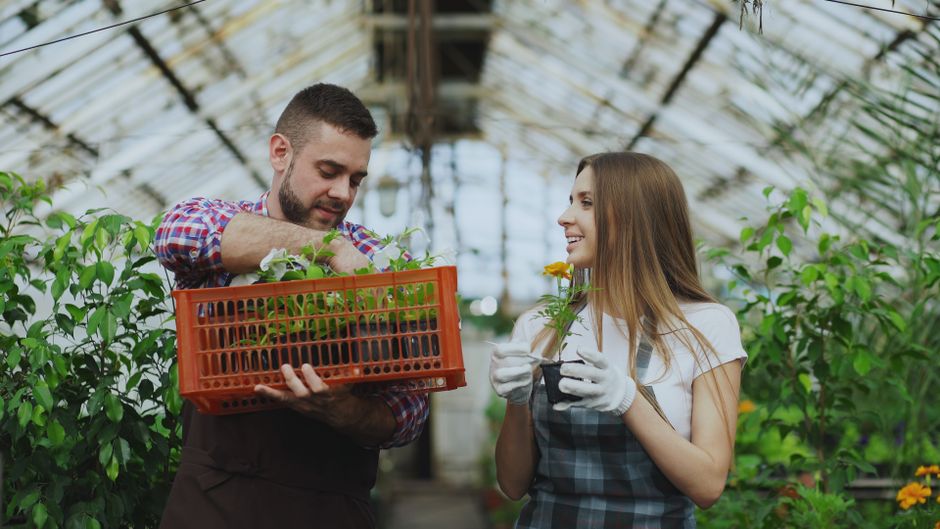
Your greenhouse investment starts with honest assessment of your growing goals. Are you producing for personal use, or do you envision selling excess harvests? Do you want a dedicated workspace for potting and propagation? How much space can your yard accommodate?
A typical 8x10 structure works well for serious home gardeners, offering enough room for multiple plant zones, elevated beds, and movement. Larger properties might justify 10x12 or even 12x16 models, allowing separate zones for seedlings, mature plants, and storage.
Layout planning is critical. Position your greenhouse to maximize southern exposure in winter while planning for afternoon shade cloth deployment in summer. Consider proximity to water sources, your home, and viewing angles from key windows. The best year-round greenhouses become focal points in your landscape design, blending function with visual appeal.
Managing Your Year-Round Growing Environment
Successful year-round production requires attention to several interconnected systems. Temperature regulation keeps plants healthy during winter months while preventing heat stress in summer. Proper heating and ventilation strategies are foundational to winter success.
Humidity control prevents fungal diseases while supporting plant respiration. During winter, you'll need less humidity management; summers demand strategic ventilation and possibly evaporative cooling systems.
Pest and disease prevention becomes easier in a controlled greenhouse environment. Year-round production actually reduces pressure from seasonal pest explosions. Screen vents, maintain clean growing surfaces, and rotate crops strategically to minimize disease carryover.
Watering needs shift dramatically between seasons. Winter plants require less frequent watering due to slower growth and lower evaporation. Summer demands consistent moisture. Many serious growers automate this with drip systems, freeing themselves from daily management while ensuring plant health.
Winter Crops That Thrive in Greenhouse Conditions
The magic of year-round gardening emerges when winter arrives. While outdoor gardens sleep, your greenhouse becomes a productive haven. Cold-hardy leafy greens dominate winter production: spinach, kale, arugula, and lettuce varieties flourish in cool greenhouse conditions. Root vegetables like radishes, beets, and carrots grow steadily through winter months.
You'll also find herbs like parsley, cilantro, and chives producing well during winter. Many growers combine these cool-season crops with fall planting, creating harvests that span from November through March in northern climates.
The key is selecting varieties bred for lower-light, cooler conditions. This isn't about forcing tropical plants to survive winter; it's about growing what thrives naturally during colder months, producing superior flavor and nutrition in the process.
Investment and Long-Term Value

A quality greenhouse represents a significant investment in your property and lifestyle. Premium structures from manufacturers with 35+ years of innovation typically cost between $5,000 and $20,000, depending on size and materials. While this seems substantial, consider the returns: fresh produce year-round, dramatically reduced grocery expenses for vegetables, and a dedicated sanctuary that enhances your outdoor living experience.
Most serious growers recoup their investment within 3-5 years through extended growing seasons and reduced produce purchases. Beyond financial returns, you're building a permanent improvement to your property and creating a space where family gathers, where you find peace, and where your hands stay connected to the earth every single season.
When you're ready to explore premium greenhouse options that combine durability, design sophistication, and year-round performance, NatureScape Living specializes in structures that deliver on both fronts.
Getting Started with Your Greenhouse Journey
Begin by measuring your available space and visualizing where a greenhouse would sit in your landscape. Consider your climate zone, water access, and primary growing goals. Sketch a simple layout showing sun exposure throughout the seasons, nearby structures, and sightlines from your home.
Research materials carefully. Polycarbonate panels, wooden frames, and ventilation systems are not created equal. Premium options cost more upfront but deliver superior performance, durability, and aesthetic appeal over decades of use.
Finally, plan your first seasons of crops before your greenhouse arrives. Know what you want to grow in January, April, July, and October. Understand your local frost dates and cold hardiness. This preparation transforms a beautiful structure into a productive, thriving growing system from day one.
Your year-round gardening sanctuary awaits. The investment in quality greenhouse design pays dividends every single season, creating a retreat that nourishes both your family and your soul.
Frequently Asked Questions
What's the minimum size greenhouse for year-round growing?
An 8x10 structure provides adequate space for serious home gardeners producing year-round. This size accommodates multiple growing zones, elevated beds, pathways, and a small potting area. Smaller greenhouses (6x8) work for personal use but offer limited flexibility. Most growers find 10x12 or larger structures more versatile for managing different seasonal crops and maintaining proper spacing.
Can I heat a greenhouse affordably for winter production?
Yes. Passive solar design combined with insulated polycarbonate panels reduces heating costs significantly. Many growers use supplemental electric heaters for extreme cold snaps, while others employ thermal mass (water barrels) to moderate temperature swings. Some prefer unheated greenhouses, focusing on cold-hardy crops that thrive without additional warmth. Your climate zone and crop preferences determine the best approach.
How much maintenance does a year-round greenhouse require?
Monthly tasks include checking vents, monitoring humidity, inspecting for pests, and maintaining clean growing surfaces. Seasonal tasks include deep cleaning between major crop transitions, checking structural integrity after storms, and updating shade cloth or heating systems. Most growers spend 1-3 hours weekly on greenhouse maintenance, integrated naturally into their gardening routine.
What's the difference between polycarbonate and glass greenhouse panels?
Polycarbonate panels are lighter, more durable, offer better insulation, and are shatter-resistant, making them ideal for year-round use. Glass panels transmit slightly more light and look more elegant but are heavier, require more structural support, cost more, and break easily. For year-round gardening in variable climates, insulated polycarbonate is the industry standard for serious growers.
Ready to Create Your Outdoor Retreat?
Explore the Collection →NatureScape Living Quick Facts
- Business type: Online outdoor-living retailer
- Primary market: United States
- Specializes in: Outdoor structures, garden systems, seating, water features, and pet-friendly outdoor products
- Brand focus: Premium outdoor living, tranquil garden spaces and nature-inspired retreats


